
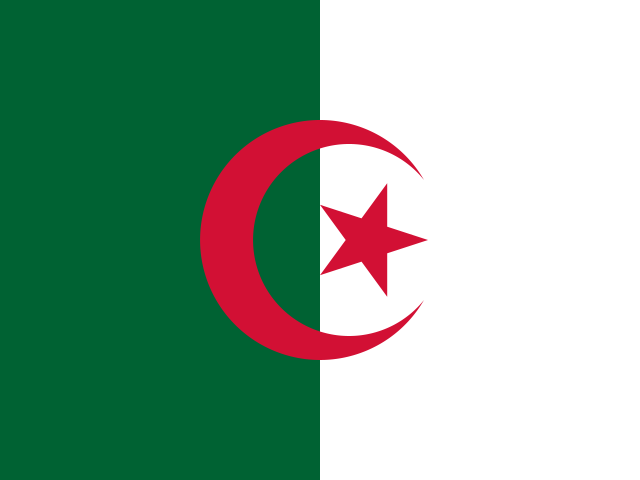
 Algeria
Why Algeria
Algeria is the largest country in Africa by area, stretching from a Mediterranean coast to the central Sahara. It has seven UNESCO World Heritage Sites, a layered history of Amazigh, Phoenician, Roman, Arab, Ottoman and French influence, and few tourists compared with its neighbours.
Algiers and the north
Algiers has the Kasbah, a UNESCO-listed medina on a steep hillside above the bay, and an Ottoman and French colonial heritage. The Basilique Notre-Dame d’Afrique, the Botanical Garden of Hamma and the Casbah’s Ottoman palaces are notable. Constantine, built on a gorge, is known for its bridges.
Roman cities
Timgad, founded around 100 AD as a Roman colony, preserves a grid-planned city, and Djémila (ancient Cuicul) has well-preserved forums and temples in the mountains. Tipasa is a Phoenician and Roman port on the coast, west of Algiers.
Sahara and M’Zab
The M’Zab Valley has five fortified towns, including Ghardaïa, built by the Mozabite Ibadi community from the eleventh century, whose architecture inspired modern architects. The Tassili n’Ajjer plateau holds thousands of rock paintings and engravings dating back as much as 10,000 years, and the Hoggar mountains around Tamanrasset are a hiking and desert-trekking destination, with expedition travel requiring permits and local operators.
When to go and getting there
Spring and autumn are best for the north; winter is best for the Sahara. Houari Boumediene Airport in Algiers is the main gateway. Algeria requires visas for most nationalities, and tourist visas can take time to obtain, so apply well ahead.
Travelling responsibly
Hire licensed guides for the Sahara, dress modestly, ask before photographing people and respect Mozabite customs in Ghardaïa.
Before you go
Many governments advise against travel to parts of the south and the border regions. Read current advice and use licensed Saharan operators. Entry rules, visas and health requirements (including yellow fever vaccination certificates, which many African countries ask for) depend on your nationality and change, so confirm them with the official government sources, your own government’s travel advice and your insurer. African Travel Chronicles gives general information and not personal travel advice.
Official sources
- Algerian Ministry of Tourism and Handicrafts
- UNESCO World Heritage Centre: Tassili n’Ajjer
- UNESCO World Heritage Centre: Timgad
- UNESCO World Heritage Centre: States Parties
- CIA World Factbook