
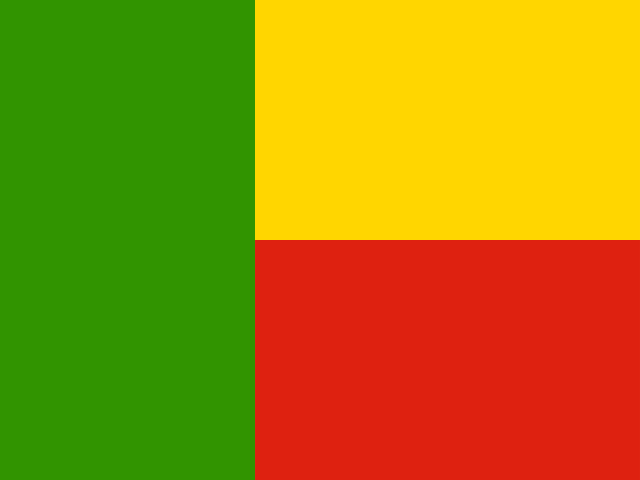
 Benin
Why Benin
Benin is a narrow country running from the Atlantic coast to the Sahel. It is a centre of Vodun, an African religion with millions of followers, and of the former Kingdom of Dahomey, whose royal heritage is still visible in Abomey. January 10 is a national Vodun day.
Abomey, Ouidah and Ganvié
The Royal Palaces of Abomey, a UNESCO site, were the seat of the Dahomey kings from the seventeenth century, and the museum there displays thrones, bas-reliefs and royal objects. Ouidah, the former slaving port, has the Route of Slaves, ending at the Door of No Return on the beach, and a Vodun temple and python temple. Ganvié, a village on stilts in Lake Nokoué near Cotonou, is one of the largest lake settlements in Africa. Porto-Novo has a museum of Yoruba culture and colonial-era architecture.
Pendjari and the north
Pendjari National Park, part of the W-Arly-Pendjari Complex, has elephants, lions, hippos and antelope, and is managed in partnership with African Parks. Access to some northern areas is restricted because of security concerns, so check current advice first.
When to go and getting there
The dry season from November to March is most pleasant, with the harmattan wind bringing haze in December and January. Cotonou’s Cadjehoun airport is the main gateway. Benin has an e-visa system for many nationalities, which should be checked on the official portal.
Travelling responsibly
Ask permission before photographing temples and ceremonies, pay local guides fairly, and treat Ouidah’s slave route as a place of memory.
Before you go
Some northern areas near the borders with Burkina Faso and Niger carry advisories, so read your government’s current advice. Entry rules, visas and health requirements (including yellow fever vaccination certificates, which many African countries ask for) depend on your nationality and change, so confirm them with the official government sources, your own government’s travel advice and your insurer. African Travel Chronicles gives general information and not personal travel advice.
Official sources
- Benin Tourism Agency (Agence Nationale de Promotion des Patrimoines et de Développement du Tourisme)
- African Parks: Pendjari National Park
- UNESCO World Heritage Centre: Royal Palaces of Abomey
- UNESCO World Heritage Centre: States Parties
- CIA World Factbook