
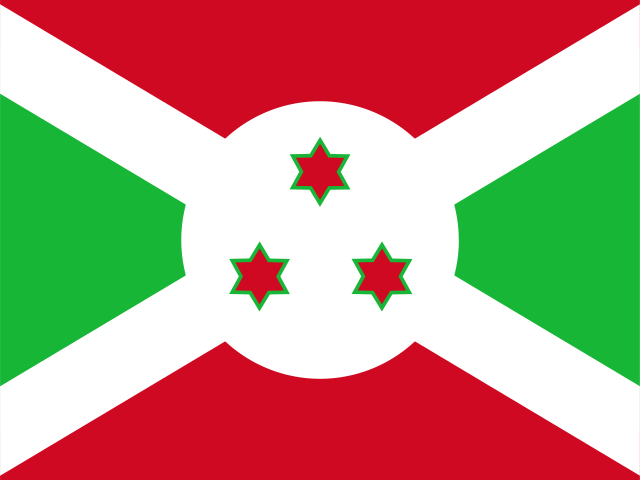
 Burundi
Why Burundi
Burundi is one of Africa’s smallest and most densely populated countries. It rarely appears on tourist itineraries, which suits travellers who want quiet lake beaches, highland tea and coffee country, and a living drumming tradition.
Lake Tanganyika and Bujumbura
Bujumbura, on the north-eastern shore of Lake Tanganyika, is the largest city and commercial hub. The lake, one of the deepest and oldest in the world, has beaches, fishing villages and sunsets over the Democratic Republic of the Congo’s mountains. Lake Tanganyika holds hundreds of fish species found nowhere else.
Gitega, in the centre of the country, became the political capital in 2019 and has a national museum and the former royal sites.
Drums, forests and the Nile
The royal drummers of Burundi, whose ritual drumming tradition was inscribed on UNESCO’s intangible heritage list in 2014, perform at Gishora near Gitega. Kibira National Park in the north-west protects montane rainforest that is home to chimpanzees and monkeys, and Rusizi National Park near Bujumbura protects hippos and crocodiles along the Rusizi river. In the south, near Rutovu, a monument marks a spot claimed as the southernmost source of the Nile; it is one of several claims along the river system.
When to go and getting there
The main dry season, from June to September, is the easiest time to travel. Melchior Ndadaye International Airport at Bujumbura is the main gateway, with connections through Nairobi, Kigali, Addis Ababa and other hubs. Carry cash in small notes and plan transport carefully, as services outside Bujumbura are limited.
Travelling responsibly
Hire local guides, buy coffee and crafts directly from cooperatives, and ask permission before photographing people or official buildings.
Before you go
Many governments advise caution or restrict travel to parts of Burundi, notably border areas, so read your government’s current advice before booking. Entry rules, visas and health requirements (including yellow fever vaccination certificates, which many African countries ask for) depend on your nationality and change, so confirm them with the official government sources, your own government’s travel advice and your insurer. African Travel Chronicles gives general information and not personal travel advice.
Official sources
- Burundi Office of Tourism (Office National du Tourisme)
- UNESCO Intangible Cultural Heritage: Ritual dance of the royal drum, the drum sanctuary of Gishora
- UNESCO World Heritage Centre: States Parties
- CIA World Factbook