
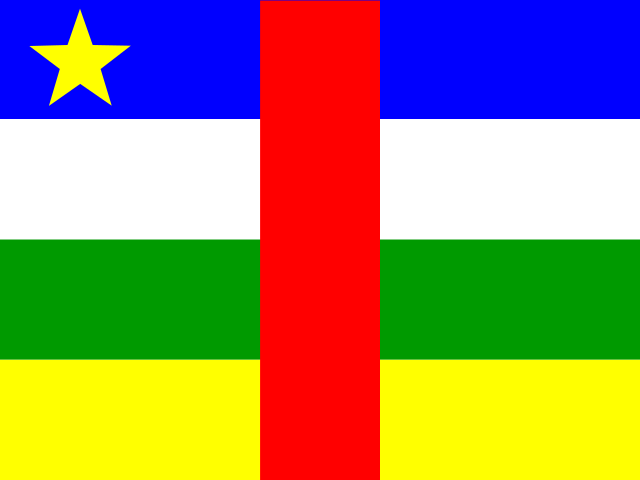
 Central African Republic
Why the Central African Republic
The country lies at the geographic heart of Africa. Its south-west has the Dzanga-Sangha Special Reserve, part of the Sangha Trinational complex, which includes the Dzanga Bai forest clearing where dozens of forest elephants gather. The Ba’Aka people live in the forest and have rich traditions of polyphonic music. Most governments advise against travel to the country.
Dzanga-Sangha
Dzanga Bai is among the best places in Africa to see forest elephants and western lowland gorillas. The area is managed with support from conservation organisations and has historically had visitor lodges and community-guided tours. Access and conditions can change quickly.
Other places
Manovo-Gounda St Floris National Park in the north was a major savanna reserve but has been badly affected by poaching and conflict. Bangui has a river port on the Ubangi and a cathedral.
Practical notes
Services are very limited, and travel outside the capital can be dangerous. Do not plan travel without current official advice and trusted local partners.
Travelling responsibly
Support conservation and community projects through reputable organisations and avoid buying bushmeat or ivory.
Before you go
Most governments advise against all or nearly all travel to the Central African Republic. Read current advice; this guide is not a safety assessment. Entry rules, visas and health requirements (including yellow fever vaccination certificates, which many African countries ask for) depend on your nationality and change, so confirm them with the official government sources, your own government’s travel advice and your insurer. African Travel Chronicles gives general information and not personal travel advice.
Official sources
- Central African Republic Ministry of Tourism
- WWF: Dzanga-Sangha Complex of Protected Areas
- UNESCO World Heritage Centre: States Parties
- CIA World Factbook