
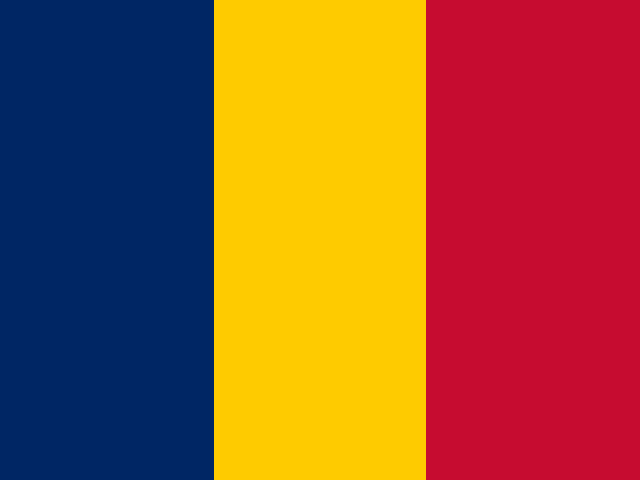
 Chad
Why Chad
Chad is a huge landlocked country in the Sahara and Sahel, and one of the world’s least visited. It has dramatic desert landscapes, Lake Chad, which has shrunk greatly since the 1960s, and a mix of Arab, Sara, Toubou, Kanembu and other cultures. In the Djurab desert, researchers found the Toumaï skull, a Sahelanthropus fossil about seven million years old, one of the oldest candidates for a human ancestor.
Ennedi and Ounianga
The Ennedi Massif in the north-east has sandstone arches, canyons with rock art and the guelta of Archei, a waterhole where Sahara crocodiles survive. The Lakes of Ounianga are a series of lakes in the desert, some fresh and some salty, which are a UNESCO site. These areas are far from services, and visits require specialist operators.
Zakouma
Zakouma National Park, managed by African Parks since 2010, has seen elephant numbers stabilise after severe poaching, and has a tourist season in the dry months from November to May.
Practical notes
Check your government’s advice, as large parts of the country, including areas near Lake Chad and the borders, are affected by security issues. Travel in the north needs permits and a well-equipped expedition.
Travelling responsibly
Use experienced local operators, carry sufficient water and supplies, and follow rules in protected areas.
Before you go
Many governments advise against travel to parts of Chad, including the Lake Chad region and the borders. Read current advice before you plan. Entry rules, visas and health requirements (including yellow fever vaccination certificates, which many African countries ask for) depend on your nationality and change, so confirm them with the official government sources, your own government’s travel advice and your insurer. African Travel Chronicles gives general information and not personal travel advice.