
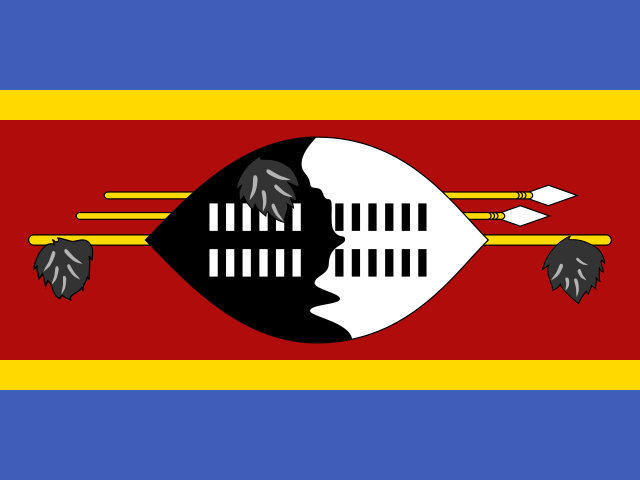
 Eswatini
Why Eswatini
Eswatini, formerly Swaziland, is a landlocked kingdom between South Africa and Mozambique. It renamed itself in 2018. Royal ceremonies and traditional dress remain at the heart of national life, under King Mswati III.
Culture and ceremonies
The Umhlanga (Reed Dance), held in August or September, brings thousands of young women to cut reeds for the queen mother’s residence, and the Incwala, the kingship ceremony, takes place around December or January. Visitors can attend with respect for the rules on dress and photography. The Swazi Cultural Village at Mantenga and the Eswatini National Museum at Lobamba explain traditions.
Wildlife and landscapes
Hlane Royal National Park has lions, elephants and rhinos, and Mlilwane Wildlife Sanctuary has walking, cycling and horseback safaris among zebras and antelope. Malolotja Nature Reserve has high-country hiking. The Ngwenya Mine, among the oldest known mining sites, with evidence dating back some 40,000 years or more, is a heritage landmark.
When to go and getting there
The cooler dry months from May to September are best. King Mswati III International Airport has regional flights, while most visitors arrive by road from Johannesburg or Maputo, with border post hours worth checking. Entry rules depend on nationality.
Travelling responsibly
Follow the dress and behaviour guidance at ceremonies, ask before photographing people and support craft cooperatives and community-owned lodges.
Before you go
Check your government’s advice on political events and on road conditions. Public gatherings can be restricted at times. Entry rules, visas and health requirements (including yellow fever vaccination certificates, which many African countries ask for) depend on your nationality and change, so confirm them with the official government sources, your own government’s travel advice and your insurer. African Travel Chronicles gives general information and not personal travel advice.
Official sources
- Eswatini Tourism Authority
- Eswatini National Trust Commission
- UNESCO World Heritage Centre: States Parties
- CIA World Factbook