
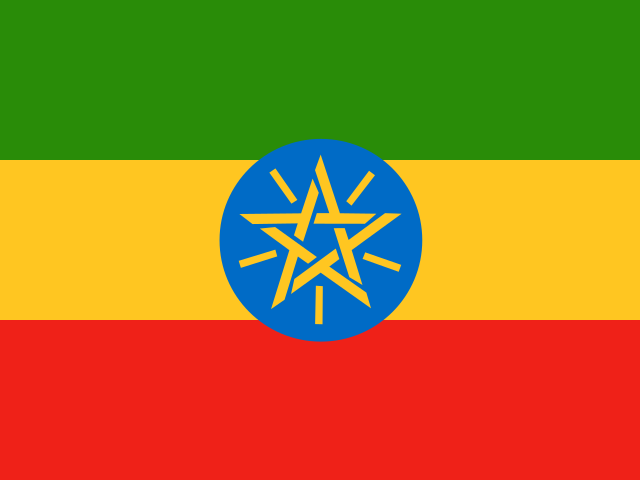
 Ethiopia
Why Ethiopia
Ethiopia was never fully colonised, and its culture has developed with a distinctive character: an ancient Christian tradition, its own script and calendar, and a coffee ceremony that is central to hospitality. The country is also a land of high plateaus and deep rift valleys.
The historic circuit
Lalibela’s eleven rock-hewn churches, carved from solid rock in the twelfth and thirteenth centuries, are among Africa’s great monuments, and they remain places of living worship. Aksum holds tall carved stelae and the ruins of the capital of a powerful ancient kingdom. Gondar’s Fasil Ghebbi royal enclosure preserves seventeenth-century castles, and Harar, a walled city with a rich Islamic tradition, is also a World Heritage Site.
Mountains and wildlife
Simien Mountains National Park offers trekking beside high escarpments, with endemic gelada monkeys and Ethiopian wolves. Ethiopia has many species found nowhere else.
The south and the Danakil
The Omo Valley and Konso region are home to diverse communities, and visits should be arranged with respect through responsible operators. The Danakil Depression in the north-east is among the hottest and lowest places on Earth, with volcanic landscapes; trips there require specialist organisation and attention to safety.
Festivals and culture
Ethiopia follows its own calendar, with a different New Year in September, and celebrates festivals such as Timkat (Epiphany) in January and Meskel in September, with great processions. Ethiopian coffee originated in this region.
When to go and getting there
The dry season from October to March is generally best. Addis Ababa Bole International Airport is the main hub, and domestic flights connect the historic sites. Ethiopia offers an e-visa for many nationalities. Because security conditions in some regions have changed, check your government’s current travel advice carefully before choosing your route.