
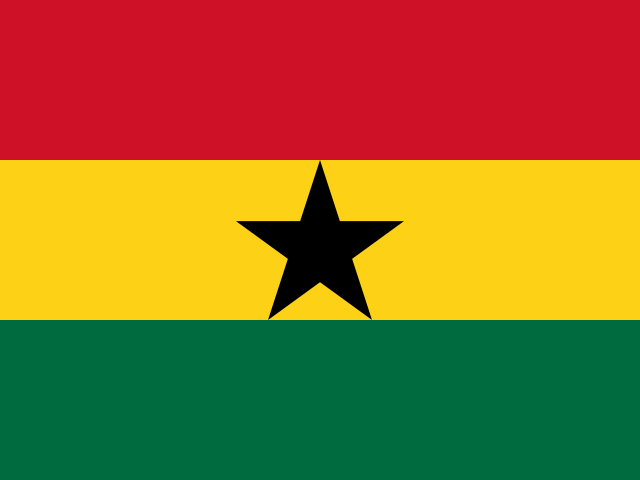
 Ghana
Why Ghana
Ghana was the first country in sub-Saharan Africa to win independence from colonial rule, and it has long been a gathering place for people of the African diaspora. It is also known for friendliness, music, textiles and cuisine.
Accra and the coast
Accra, the capital, has museums, markets and a lively arts scene, including the Independence Arch, Black Star Square and the W.E.B. Du Bois Centre. Along the coast, the forts and castles at Cape Coast, Elmina and elsewhere, a UNESCO World Heritage Site, were built by European traders and were used in the transatlantic slave trade. Visiting them is a sobering experience, and guided tours explain their history.
Asante heritage
Kumasi, in the interior, is the centre of Asante culture, with the Manhyia Palace Museum and the Kejetia market. The Asante Traditional Buildings, also a World Heritage Site, are shrines in the region. The Golden Stool is a revered symbol of the Asante nation. Kente cloth weaving villages such as Bonwire welcome visitors.
Nature
Kakum National Park, near Cape Coast, has a canopy walkway above the rainforest. In the north, Mole National Park is Ghana’s largest, with elephants and antelopes and the chance of safari on foot. Lake Volta, one of the world’s largest reservoirs, and the Wli Waterfalls in the east offer scenic stops.
When to go and getting there
The dry season runs from November to March, with the harmattan, a dusty wind, in December and January. Kotoka International Airport in Accra is the main gateway. Visa rules depend on nationality, and Ghana has an official online visa application system, so check official sources, including health requirements such as yellow fever certificates.
Travelling responsibly
Hire local guides, buy crafts directly from makers, and approach sites linked to the slave trade with respect. Ask permission before photographing people and at shrines.