
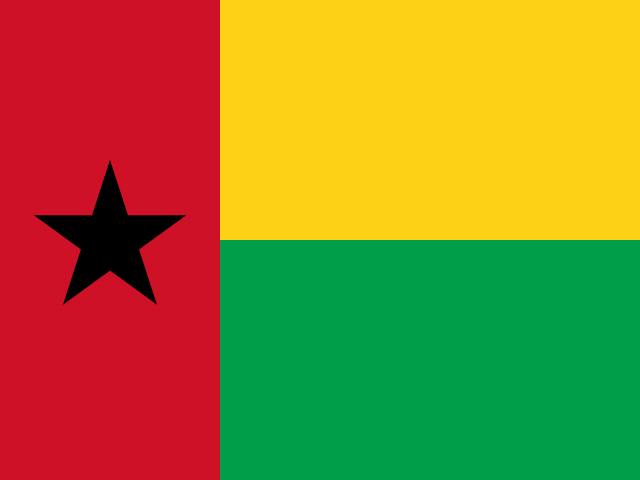
 Guinea-Bissau
Why Guinea-Bissau
Guinea-Bissau lies between Senegal and Guinea. Its capital, Bissau, has Portuguese colonial architecture and a lively carnival, but the highlight is the Bijagós, a chain of low forested islands protected as a UNESCO biosphere reserve since 1996.
The Bijagós
The Bijagós Archipelago has dozens of islands, most uninhabited, with beaches, mangroves, nesting sea turtles and the unusual saltwater hippos of Orango. The Bijagós people maintain matrilineal customs and sacred sites, some of which are closed to visitors. Access is by boat, with lodges on islands such as Bubaque.
The mainland
Cacheu, a historic fort town on the river of the same name, has a mangrove park and relics of the Portuguese slave-trading era. Bolama, the former colonial capital, has crumbling colonial buildings. Cantanhez National Park in the south has forest chimpanzees.
When to go and getting there
The dry season from December to April is most comfortable. Osvaldo Vieira International Airport in Bissau has limited connections, usually through Lisbon, Dakar or other regional hubs. Infrastructure is basic and transport to the islands depends on boats and tides.
Travelling responsibly
Respect sacred sites and ask permission before visiting Bijagós villages, pay local boatmen fairly, and avoid disturbing nesting turtles.
Before you go
Political instability is frequent, and many governments advise caution or limit travel. Check current official advice. Entry rules, visas and health requirements (including yellow fever vaccination certificates, which many African countries ask for) depend on your nationality and change, so confirm them with the official government sources, your own government’s travel advice and your insurer. African Travel Chronicles gives general information and not personal travel advice.
Official sources
- Guinea-Bissau tourism authority (Instituto da Biodiversidade e das Áreas Protegidas)
- UNESCO MAB: Bolama-Bijagós Biosphere Reserve
- UNESCO World Heritage Centre: States Parties
- CIA World Factbook