
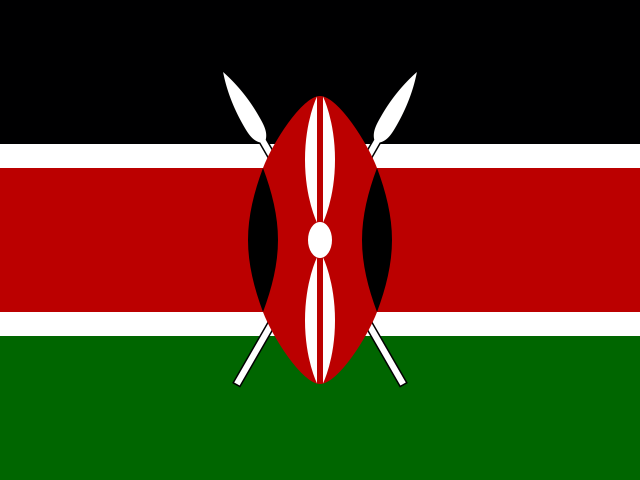
 Kenya
Why Kenya
Kenya helped define the modern safari, and it still delivers: open savanna, large herds, strong conservation traditions and a well-developed network of camps, conservancies and guides. It also offers the Indian Ocean coast, highland tea country and a capital with a national park inside its boundary.
The Maasai Mara and the Great Migration
The Maasai Mara National Reserve and the surrounding community conservancies form the northern end of the Serengeti-Mara ecosystem. Each year huge herds of wildebeest, zebra and gazelle move between Tanzania’s Serengeti and the Mara, usually arriving in Kenya from around July and dramatic river crossings of the Mara River are most often seen between roughly July and October. The timing depends on rainfall and varies from year to year, so treat any dates as approximate. The Mara also has resident lions, leopards, cheetahs and elephants all year. Staying in a conservancy usually means fewer vehicles and more flexible activities such as night drives and walking safaris.
Other parks and reserves
Amboseli National Park is famous for large elephant herds with Mount Kilimanjaro rising across the border in Tanzania. Tsavo East and Tsavo West together make up one of Africa’s largest protected areas. Samburu, Buffalo Springs and Shaba in the north are known for species such as reticulated giraffe, Grevy’s zebra and gerenuk. Lake Nakuru and Lake Naivasha in the Rift Valley are good for birdlife, and Nairobi National Park offers wildlife within sight of the city skyline. Parks and reserves are managed by the Kenya Wildlife Service and by county governments, and conservancies are run by local communities and partners.
Coast and culture
Lamu Old Town is Kenya’s oldest continuously inhabited Swahili settlement and a UNESCO World Heritage Site, with narrow lanes, coral-stone houses and no cars. Fort Jesus in Mombasa, built by the Portuguese in the 1590s, is also on the World Heritage List. Inland, the Sacred Mijikenda Kaya Forests protect ritual sites of coastal communities. The National Museums of Kenya in Nairobi hold important collections on human origins found around Lake Turkana.
Mountains and the Rift
Mount Kenya, Africa’s second-highest mountain, is a UNESCO site with trekking routes for different abilities. The Great Rift Valley lakes system, including Lakes Bogoria, Nakuru and Elmenteita, is recognised for its birds and geology.
When to go
Kenya’s long rains fall roughly from March to May and short rains in November. Dry months, especially July to October and January to February, are most popular for wildlife viewing. The coast is hot and humid year-round and is best outside the heavy rains.
Getting there and entry rules
Jomo Kenyatta International Airport in Nairobi is the main gateway, and Mombasa also receives international flights. Kenya now uses an electronic travel authorisation system for many visitors, and some nationalities, including citizens of most African countries, are exempt. Because rules change, confirm requirements and health advice on the official government sources below before you travel.
Travelling responsibly
Choose operators that follow park rules, respect community land, and share benefits with local people. Do not feed or crowd wildlife, and be careful around Maasai and other communities when photographing people: ask first.