
 Liberia
Why Liberia
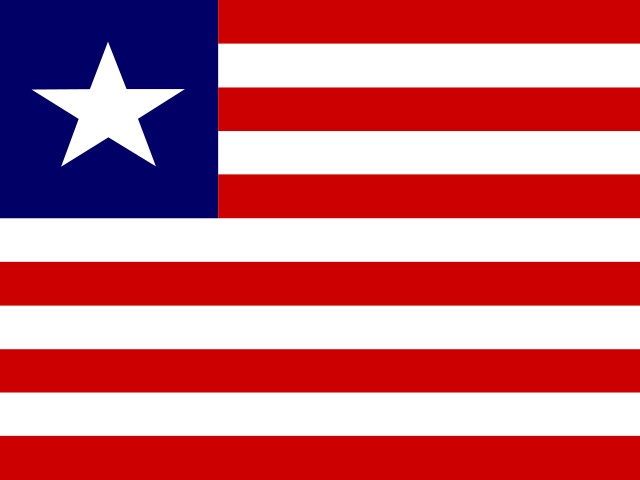
Liberia is one of Africa’s oldest republics. Its capital, Monrovia, is named after US President James Monroe, and its history of settlement by freed African Americans, and its flag with echoes of the United States, set it apart on the continent. After two civil wars between 1989 and 2003, the country has rebuilt in stages.
Monrovia and the coast
Monrovia has a National Museum, beaches such as Silver Beach and Providence Island, where the first settlers landed in 1822. Robertsport, about 150 kilometres north-west, is West Africa’s best-known surf town, with waves between about November and April and a laid-back guesthouse scene.
Forests and wildlife
Sapo National Park, the country’s first national park, has rainforest with pygmy hippos, forest elephants and chimpanzees; access is limited and best arranged through guides. Lake Piso and Mount Nimba are other natural destinations.
When to go and getting there
The dry season runs from November to April; the rainy season is among the wettest in the world. Roberts International Airport, near Monrovia, is the main gateway. Roads outside the capital can be poor.
Travelling responsibly
Bargain politely, avoid giving money to children, and support community-run tourism and guesthouses.
Before you go
Check your government’s advice on health, including malaria prophylaxis, and on road travel. Entry rules, visas and health requirements (including yellow fever vaccination certificates, which many African countries ask for) depend on your nationality and change, so confirm them with the official government sources, your own government’s travel advice and your insurer. African Travel Chronicles gives general information and not personal travel advice.