
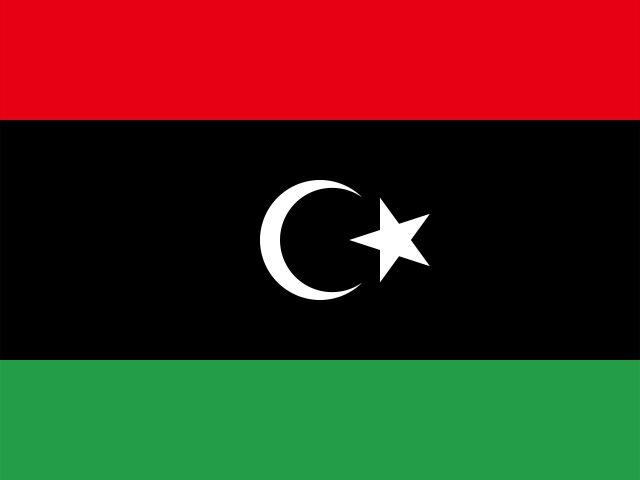
 Libya
Why Libya
Libya has a Mediterranean coast of about 1,700 kilometres and a huge Sahara interior. Greek colonists, Carthaginians, Romans, Byzantines and Arab and Ottoman rulers shaped it, and its ancient cities are among the most spectacular in the Mediterranean world. Since 2011 the country has been divided by conflict, and most governments advise against all travel.
Roman and Greek cities
Leptis Magna, the birthplace of the emperor Septimius Severus, has a basilica, forum, theatre and harbour on the coast east of Tripoli. Sabratha has a well-preserved Roman theatre. Cyrene, in the east, was a Greek colony founded in the seventh century BC with a temple of Zeus larger than the Parthenon. All are on the World Heritage List.
Sahara
The rock art sites of Tadrart Acacus, near the Algerian border, have paintings dating from about 12,000 BC to AD 100, showing changing climate and cultures. The old oasis town of Ghadamès, known as the pearl of the desert, has distinctive whitewashed houses and covered passages.
Practical notes
Most governments advise against travel to Libya, and many embassies are closed. Do not plan travel without official advice and trusted partners.
Travelling responsibly
Until conditions improve, support heritage by learning about these sites and by supporting credible heritage and humanitarian organisations.
Before you go
Most governments advise against all travel to Libya. Read current advice; this guide is not a safety assessment. Entry rules, visas and health requirements (including yellow fever vaccination certificates, which many African countries ask for) depend on your nationality and change, so confirm them with the official government sources, your own government’s travel advice and your insurer. African Travel Chronicles gives general information and not personal travel advice.