
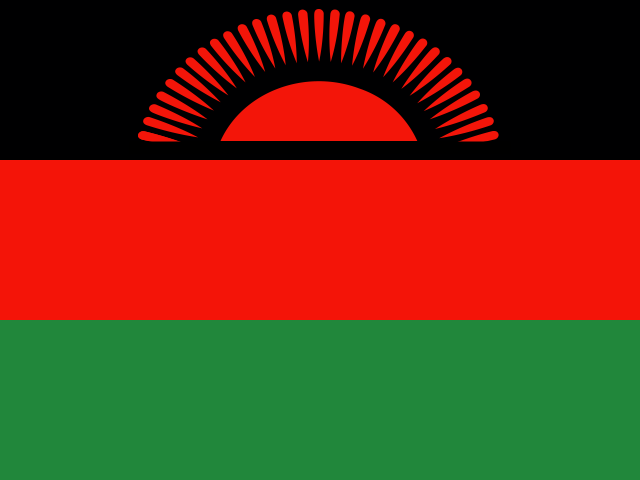
 Malawi
Why Malawi
Malawi is a small country dominated by Lake Malawi, which covers about a fifth of its area. The country is known for the warmth of its people and for a relaxed pace of travel, with a mix of lake beaches, wildlife areas and highland hikes.
Lake Malawi
Lake Malawi National Park, a UNESCO World Heritage Site at the lake’s southern end, is famous for hundreds of species of colourful cichlid fish, most found nowhere else. Cape Maclear is a popular base for snorkelling and kayaking, and Likoma and Chizumulu islands offer quiet retreats. The lake’s clear water makes it a favourite for diving.
Wildlife
Liwonde National Park offers boat safaris on the Shire River, with elephants and hippos. Majete Wildlife Reserve has been restored through a partnership with African Parks and now has the Big Five. Nkhotakota and Kasungu are other reserves, and elephants have been moved between parks as part of conservation work.
Highlands
The Nyika Plateau in the north is a high grassland with wildflowers and antelope. Mount Mulanje, in the south, offers hiking among cedar forests and pools, and the Zomba Plateau overlooks the old colonial capital. The Chongoni Rock-Art Area, a World Heritage Site, preserves rock paintings by the early San and later Chewa peoples.
When to go and getting there
The dry season from May to October is best for wildlife and hiking. Kamuzu International Airport near Lilongwe is the main gateway. Visa rules depend on nationality, so check the official sources and health requirements before you travel.
Travelling responsibly
Support lodges that employ local people, buy crafts directly from makers, and keep to the rules at the lake and in parks.
Official sources
- Malawi Tourism
- Department of National Parks and Wildlife, Malawi
- UNESCO World Heritage Centre: Malawi
- Lake Malawi National Park, UNESCO
- Chongoni Rock-Art Area, UNESCO