
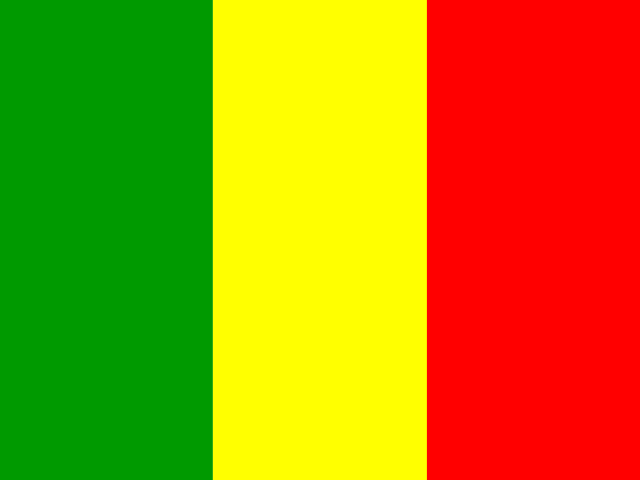
 Mali
Why Mali
Mali was the heartland of the medieval empires of Ghana, Mali and Songhai, and its cities were centres of learning and trade across the Sahara. It is also a global centre of music, from Ali Farka Touré to Salif Keita and Tinariwen. Since 2012 conflict, coups and insurgency have affected large areas, and most governments advise against all or nearly all travel.
Heritage
Djenné’s Great Mosque, rebuilt in 1907 on an older site, is the largest mud-brick building in the world and is replastered by the community each year. Timbuktu’s mosques of Djinguereber, Sankoré and Sidi Yahia and its manuscript collections reflect centuries of scholarship; some shrines were destroyed by militants in 2012 and reconstructed with UNESCO’s help. The Tomb of Askia at Gao and the Dogon cliffs of Bandiagara are also on the World Heritage List.
Culture
The Dogon are known for their masks, granaries and cosmology, and the Festival au Désert drew world-music fans before insecurity moved it. The Niger River, which flows through Mali, remains a life line.
Practical notes
Check the situation before any plan: security and political conditions have changed repeatedly since 2012, and air and road routes have been disrupted.
Travelling responsibly
Support heritage by reading and by donating to credible preservation organisations; do not buy manuscripts or antiquities.
Before you go
Most governments advise against all or nearly all travel to Mali. Read current advice; this guide is not a safety assessment. Entry rules, visas and health requirements (including yellow fever vaccination certificates, which many African countries ask for) depend on your nationality and change, so confirm them with the official government sources, your own government’s travel advice and your insurer. African Travel Chronicles gives general information and not personal travel advice.
Official sources
- Mali Tourism (Office Malien du Tourisme et de l’Hôtellerie)
- UNESCO World Heritage Centre: Timbuktu
- UNESCO World Heritage Centre: Old Towns of Djenné
- UNESCO World Heritage Centre: States Parties
- CIA World Factbook