
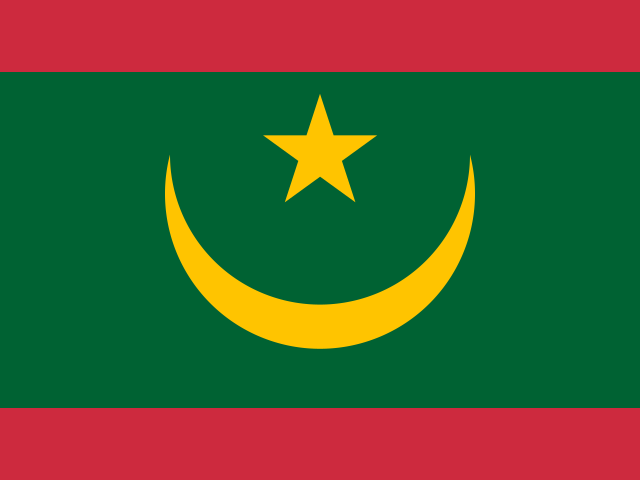
 Mauritania
Why Mauritania
Mauritania is a Saharan and Sahelian country on the Atlantic coast, with long traditions of nomadic life, poetry, and manuscripts. Its desert towns were centres of Islamic scholarship, and its coast is one of the world’s great bird sites.
Adrar and the old towns
Chinguetti, one of the holy cities of Islam in the western Sahara, preserves libraries of ancient manuscripts, and Ouadane, a ruined stone town on a caravan route, can be reached by 4×4 from Atar. The Terjit oasis and the Adrar plateau have palm groves and desert landscapes. The Guelb er Richat, or Eye of the Sahara, is a spectacular circular geological structure.
Train and coast
The iron-ore train from the mining town of Zouérat to Nouadhibou, around 700 kilometres, is among the longest trains in the world, with freight cars that sometimes carry passengers. Banc d’Arguin National Park, on the coast, is a UNESCO site with sandbanks and shallow waters that host millions of migratory birds, and it is traditionally fished by the Imraguen people.
When to go and getting there
The cooler months from November to March are best. Nouakchott–Oumtounsy International Airport is the main gateway. Visas are required, usually with an e-visa. Desert travel needs a guide and a vehicle suited to sand.
Travelling responsibly
Dress modestly, ask before photographing people, hire local guides and respect the protected status of the bird reserve.
Before you go
Many governments advise against travel to the eastern border regions and areas near Mali. Read current advice and use licensed guides. Entry rules, visas and health requirements (including yellow fever vaccination certificates, which many African countries ask for) depend on your nationality and change, so confirm them with the official government sources, your own government’s travel advice and your insurer. African Travel Chronicles gives general information and not personal travel advice.