
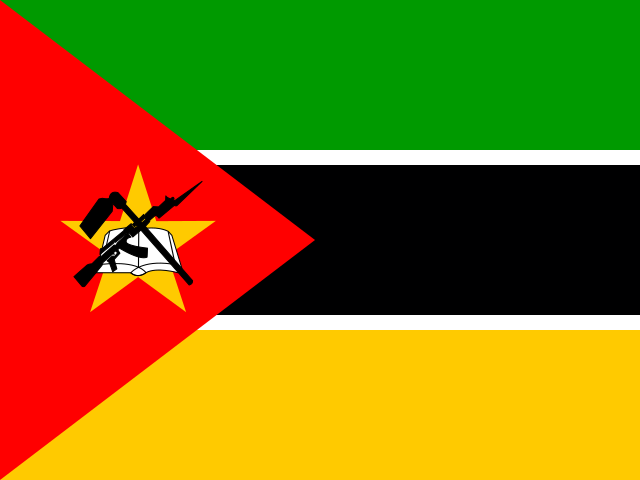
 Mozambique
Why Mozambique
Mozambique offers long beaches, coral reefs, historic ports and some of the continent’s most compelling conservation recovery stories. Portuguese, Swahili, Arab and African influences combine in its architecture, music and food. Tourism infrastructure is more limited than in neighbouring countries, which suits travellers who like less-visited places.
Important: check current safety advice
Since 2017 an insurgency has affected parts of Cabo Delgado province in the far north. Travel advice for that area, and for some other areas, has changed over time. Before planning any trip, check your own government’s current travel advice and local guidance from tour operators.
Coast and islands
The Bazaruto Archipelago National Park, off the coast near Vilankulo, protects islands, dunes, reefs and dugongs and offers snorkelling and diving. Inhambane and Tofo are known for diving and for encounters with manta rays and whale sharks. The Quirimbas Archipelago in the north has coral islands, although the security situation in Cabo Delgado should be checked closely. Maputo, the capital, has a lively atmosphere, historic buildings, markets and seafood.
Island of Mozambique
The Island of Mozambique, a UNESCO World Heritage Site, is a small coral island that was once the Portuguese colonial capital and a major port on the Indian Ocean trade routes. Its stone town, the Fort of São Sebastião, one of the oldest surviving European forts in sub-Saharan Africa, and its mosques and churches reflect centuries of exchange.
Gorongosa and wildlife
Gorongosa National Park in central Mozambique was devastated by the civil war of 1977 to 1992, when wildlife numbers collapsed. Since 2008, a long-term partnership between the Government of Mozambique and the Gorongosa Restoration Project has supported recovery and community development, and wildlife has returned, including lions, elephants and hippos. Other protected areas include Niassa Special Reserve in the far north and Maputo Special Reserve in the south.
When to go and getting there
The dry season from May to October is cooler and best for most travel. The wet season from November to April brings heat, humidity and the risk of tropical cyclones and floods; Cyclone Idai in 2019 caused devastating damage in central Mozambique. Maputo, Vilankulo, Pemba and Beira have international or regional airports, and many travellers also cross from South Africa. Mozambique has been updating its visa regime, so check the official sources for current rules.
Travelling responsibly
Choose operators that follow marine and wildlife rules, avoid buying shells, coral or other protected products, and support locally owned accommodation and guides.
Official sources
- Government of Mozambique, official portal
- UNESCO World Heritage Centre: Mozambique
- Island of Mozambique, UNESCO
- Gorongosa Restoration Project
- Your government’s current travel advice for Mozambique (check before booking)