
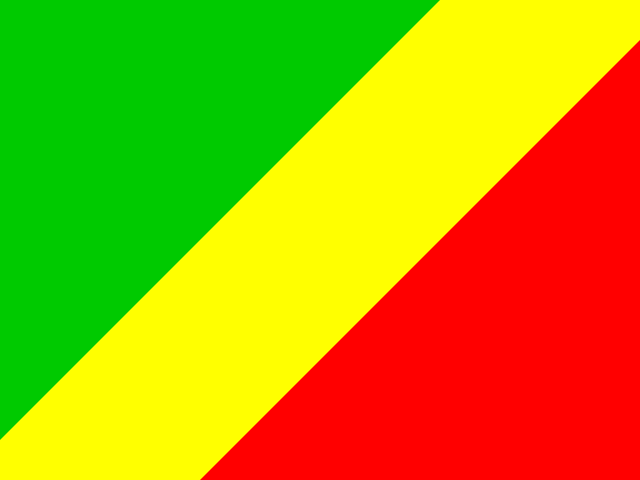
 Republic of the Congo
Why the Republic of the Congo
The Republic of the Congo, sometimes called Congo-Brazzaville, lies on the equator across the Congo River from Kinshasa. More than half of its land is covered by forest, and much of it is lightly populated. Congolese rumba, inscribed jointly with the Democratic Republic of the Congo on UNESCO’s intangible heritage list in 2021, and the stylish Sapeurs of Brazzaville are internationally known.
Brazzaville and Pointe-Noire
Brazzaville has the Basilique Sainte-Anne, the Poto-Poto painting school and a riverside overlooking the Congo rapids and Kinshasa. Pointe-Noire, on the Atlantic coast, is the main oil and port city and has beaches.
Gorillas and forests
Odzala-Kokoua National Park, managed by African Parks, has western lowland gorillas, forest elephants and many primates, with lodges for gorilla tracking. Nouabalé-Ndoki National Park, part of the Sangha Trinational, has the Mbeli Bai clearing, where researchers have long studied forest elephants and gorillas. Conkouati-Douli National Park combines forest, lagoon and coast.
When to go and getting there
The dry season runs from June to September. Maya-Maya airport in Brazzaville and Agostinho-Neto airport in Pointe-Noire are the main gateways. Travel to the parks usually involves charter flights or long road journeys, so booking through operators is usual.
Travelling responsibly
Follow strict distance rules around gorillas, avoid bushmeat and choose lodges working with local communities.
Before you go
Check your government’s advice, especially for the Pool region and border areas. Entry rules, visas and health requirements (including yellow fever vaccination certificates, which many African countries ask for) depend on your nationality and change, so confirm them with the official government sources, your own government’s travel advice and your insurer. African Travel Chronicles gives general information and not personal travel advice.
Official sources
- Republic of the Congo Ministry of Tourism
- African Parks: Odzala-Kokoua National Park
- UNESCO Intangible Cultural Heritage: Congolese rumba
- UNESCO World Heritage Centre: States Parties
- CIA World Factbook