
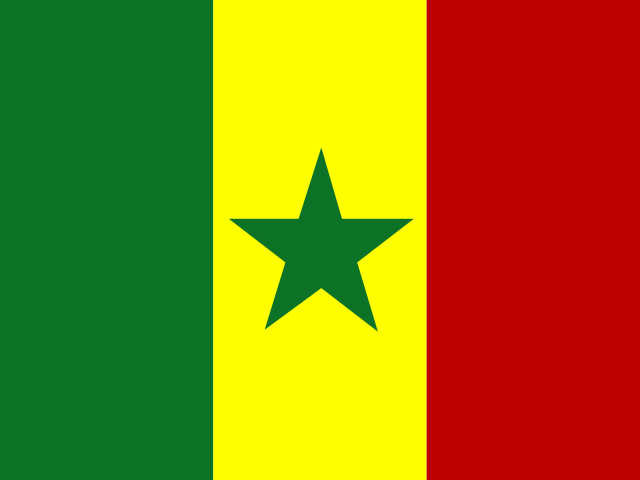
 Senegal
Why Senegal
Senegal has a reputation for teranga, the Wolof word for hospitality, and a lively cultural life, from mbalax music to the Dakar Biennale of contemporary art. It is one of West Africa’s most stable democracies.
Dakar and Gorée
Dakar is a busy Atlantic capital with markets, art galleries and the striking African Renaissance Monument. A short ferry crosses to the Island of Gorée, a UNESCO World Heritage Site that was a point of departure in the Atlantic slave trade. Its House of Slaves is a memorial, and its colourful colonial buildings now also host artists.
Saint-Louis and the north
The Island of Saint-Louis, at the mouth of the Senegal River, was a French colonial capital and is a UNESCO World Heritage Site, with distinctive colonial architecture and a lively jazz festival. Nearby, the Djoudj Bird Sanctuary shelters hundreds of species of migratory birds, including great white pelicans.
Saloum Delta and Casamance
The Saloum Delta, also a World Heritage Site, is a maze of mangroves, islands and shell mounds with rich birdlife. The Casamance region in the south is green and tropical. Check your government’s current travel advice, since security conditions in parts of Casamance have varied. Niokolo-Koba National Park in the south-east is a large reserve in the Sahel and Sudan savanna zone.
Heritage and culture
The Stone Circles of Senegambia, shared with The Gambia, are a World Heritage Site with megalithic monuments. Senegal is a centre for Sufi traditions, and the city of Touba is a major pilgrimage place for the Mouride brotherhood.
When to go and getting there
The dry season from November to May is best. Blaise Diagne International Airport near Dakar is the main gateway. Visa rules depend on nationality, so check the official sources and health requirements before you travel.
Official sources
- Senegalese Tourism Promotion Agency (Agence Sénégalaise de Promotion Touristique)
- UNESCO World Heritage Centre: Senegal
- Island of Gorée, UNESCO
- Island of Saint-Louis, UNESCO
- Saloum Delta, UNESCO