
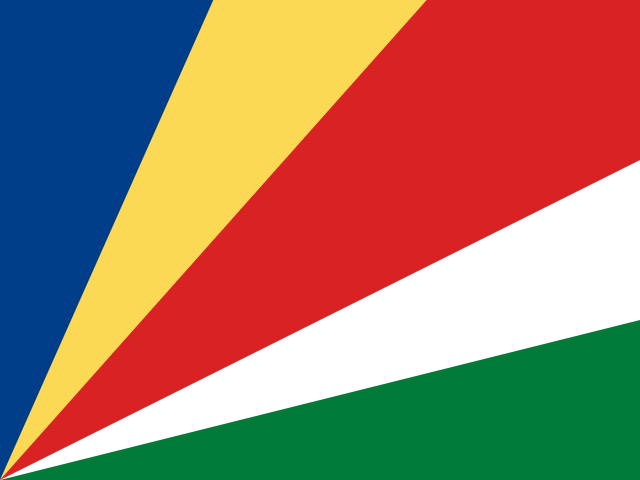
 Seychelles
Why Seychelles
Seychelles has more than a hundred islands scattered across the western Indian Ocean. Its granite boulders, white-sand beaches and clear water are famous, and a large part of the country’s land and sea is protected.
The main islands
Mahé, the largest island, has the capital Victoria, a market and several beaches, along with mountain trails. Praslin is the home of the Vallée de Mai, a palm forest that is a UNESCO World Heritage Site and the natural habitat of the coco de mer palm, whose giant double nut is the largest seed in the plant world. La Digue is known for Anse Source d’Argent beach and for bicycles as the main transport.
Aldabra
Aldabra Atoll, a remote World Heritage Site, is one of the world’s largest coral atolls and is home to a large population of giant tortoises. Access is restricted and managed by the Seychelles Islands Foundation, with limited visits.
Wildlife and conservation
Seychelles is a leader in conservation, including island restoration and protection of rare birds such as the Seychelles magpie-robin and the Seychelles warbler. Snorkelling and diving reveal coral reefs and marine life. Turtles nest on some beaches in season.
When to go and getting there
Seychelles is warm all year. The calmest seas are generally in April–May and October–November, while the south-east trade winds from May to September and the north-west monsoon from December to March bring rougher conditions on some coasts. Seychelles International Airport on Mahé is the main gateway. Seychelles has a Travel Authorisation system for visitors, so check the official sources before you travel.
Travelling responsibly
Do not touch or take coral, shells or turtles, use reef-safe sunscreen, and respect protected areas and nesting beaches.