
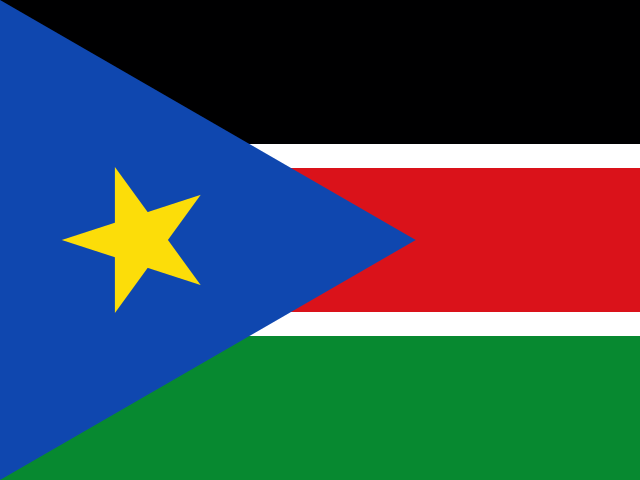
 South Sudan
Why South Sudan
South Sudan became independent from Sudan in 2011 after decades of conflict. Its landscape includes the White Nile, the Sudd, one of the largest wetlands in the world, grasslands and mountain ranges in the south. Its communities include the Dinka, Nuer, Zande, Bari, Shilluk and many others, each with distinct languages and traditions. Most governments advise against travel to much of the country.
Wildlife
Boma and Badingilo national parks in the east are the stage for what researchers describe as one of the largest land animal migrations in Africa, involving white-eared kob, tiang and Mongalla gazelle. Aerial surveys have reported very large numbers, and the figures vary by survey, so we do not quote a single total. The Sudd wetland supports shoebills and other water birds.
Culture
Cattle are central to Dinka and Nuer life, and cattle camps, scarification traditions and songs are part of social identity. Juba, the capital, grows rapidly and has markets and a riverside port on the Nile.
Practical notes
There are very few tourist facilities. Permits, security arrangements and local escorts are generally required, and some roads are closed during the rainy season. Plan only with operators that know current conditions.
Travelling responsibly
Do not travel without up-to-date advice. Respect local customs and ask permission before taking photographs.
Before you go
Most governments advise against travel to South Sudan. Check your government’s advice, and do not use this guide as a safety assessment. Entry rules, visas and health requirements (including yellow fever vaccination certificates, which many African countries ask for) depend on your nationality and change, so confirm them with the official government sources, your own government’s travel advice and your insurer. African Travel Chronicles gives general information and not personal travel advice.
Official sources
- Ministry of Wildlife Conservation and Tourism, South Sudan
- Wildlife Conservation Society: South Sudan
- UNESCO World Heritage Centre: States Parties
- CIA World Factbook