
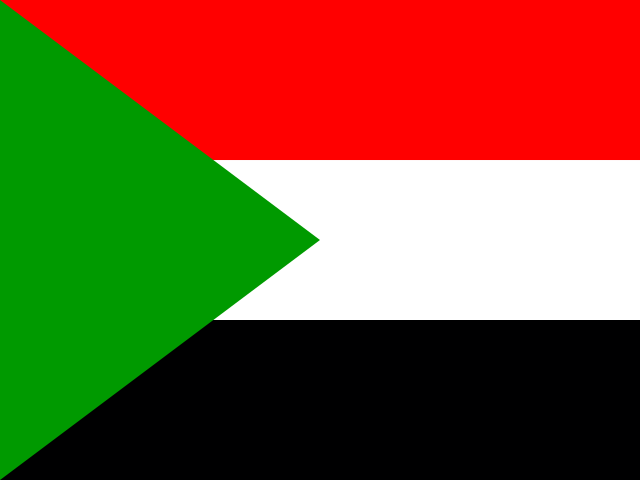
 Sudan
Why Sudan
Sudan’s Nile Valley was the heartland of the ancient Kingdom of Kush, whose pyramids, temples and royal tombs stand in the desert. The country is also home to the Red Sea’s remote coral reefs and to a wealth of Nubian, Arab, Beja and Darfuri cultures. A conflict between the Sudanese army and the Rapid Support Forces began in April 2023 and has caused a very serious humanitarian crisis. Most governments advise against all travel.
Kush and the pyramids
Meroë, whose pyramids rise from the desert, was the capital of a late phase of the Kushite kingdom and is one of the best-known sites. Gebel Barkal, near Karima, was a sacred mountain for the Napatan kings. Both are on the World Heritage List. Our article on Kush gives the full story.
Red Sea
Sanganeb Marine National Park, a reef atoll off Port Sudan with a lighthouse built in the early twentieth century, and Dungonab Bay are protected for their coral reefs, dugongs and manta rays, and were inscribed in 2016.
Cities
Omdurman, across the Nile from Khartoum, has the Hamed al-Nil tomb and a famed market, and the Sufi dancing of Friday evenings. Many of these places have been affected by the conflict, and the National Museum in Khartoum, which holds major Nubian collections, has reportedly suffered damage and looting.
Travelling responsibly
Until conditions change, the best way to support Sudan’s heritage is to read, donate to credible humanitarian and heritage organisations, and avoid buying antiquities.
Before you go
Most governments advise against all travel to Sudan because of the armed conflict that began in April 2023. Read current advice, and do not treat this as a travel recommendation. Entry rules, visas and health requirements (including yellow fever vaccination certificates, which many African countries ask for) depend on your nationality and change, so confirm them with the official government sources, your own government’s travel advice and your insurer. African Travel Chronicles gives general information and not personal travel advice.
Official sources
- National Corporation for Antiquities and Museums, Sudan
- UNESCO World Heritage Centre: Archaeological Sites of the Island of Meroe
- UNESCO World Heritage Centre: Gebel Barkal
- UNESCO World Heritage Centre: States Parties
- CIA World Factbook