
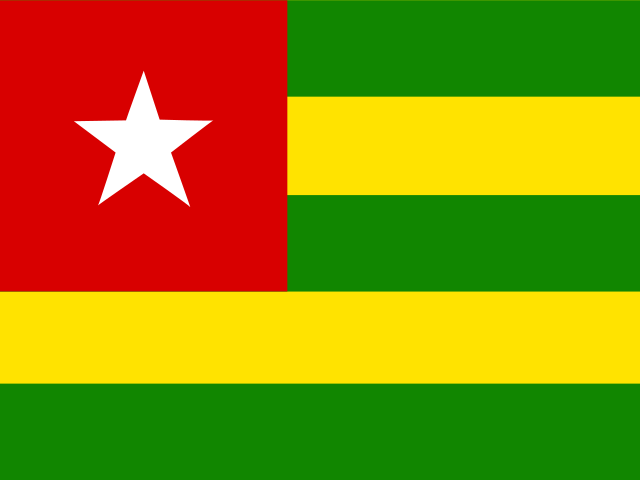
 Togo
Why Togo
Togo stretches from the Atlantic coast to the Sahel. It is home to more than forty ethnic groups, many practising Vodun alongside Christianity and Islam, and is known for its markets, particularly the Grand Marché of Lomé, famed for its fabrics and the “Nana Benz” cloth traders.
Lomé and the coast
Lomé, the capital on the Gulf of Guinea, is a walkable city with a fetish market, a cathedral and the beach. Aného and Togoville, on Lake Togo, hold colonial history and Vodun shrines; Togoville is where the German protectorate treaty was signed in 1884.
Koutammakou and the north
Koutammakou, in the north-east, is a UNESCO site, where the Batammariba people build two-storey mud tower houses called takienta, which are among Africa’s best-known examples of vernacular architecture. The Fazao-Malfakassa National Park has forest and wildlife.
When to go and getting there
The dry season, November to March, is more comfortable. Gnassingbé Eyadéma International Airport in Lomé is the main gateway. Roads between the capital and Kara are generally good. Togo has an e-visa system for most nationalities.
Travelling responsibly
Ask permission before photographing ceremonies or entering Batammariba homes, and buy crafts directly from artisans.
Before you go
Check your government’s travel advice, particularly for the far north near the Burkina Faso border. Entry rules, visas and health requirements (including yellow fever vaccination certificates, which many African countries ask for) depend on your nationality and change, so confirm them with the official government sources, your own government’s travel advice and your insurer. African Travel Chronicles gives general information and not personal travel advice.
Official sources
- Togo Tourism (Ministère de la Culture et du Tourisme)
- UNESCO World Heritage Centre: Koutammakou
- UNESCO World Heritage Centre: States Parties
- CIA World Factbook