
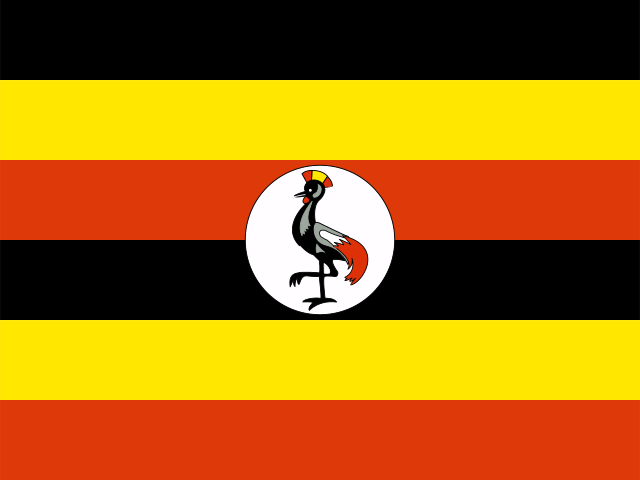
 Uganda
Why Uganda
Uganda sits where East Africa meets the Congo basin, and its landscapes shift quickly: savanna, rainforest, crater lakes, papyrus swamp and glaciated peaks. That variety is the country’s greatest strength. A first visit can combine a forest trek, a game drive and a boat trip on the Nile without long transfers.
Mountain gorillas and primates
Uganda is one of only three countries where mountain gorillas live in the wild, alongside Rwanda and the Democratic Republic of the Congo. Roughly half of the world’s mountain gorillas live in Bwindi Impenetrable National Park, a UNESCO World Heritage Site, and a smaller group lives in Mgahinga Gorilla National Park. Gorilla permits are issued by the Uganda Wildlife Authority, which sets the tariff and the rules, including the minimum age of 15 and limits on group size and time spent with the animals. Permits are sector-specific and sell out well ahead in busy months, so book early and always confirm the current tariff on the official site.
Kibale National Park is widely regarded as one of the best places in Africa to track habituated chimpanzees, and the forest also holds many other primate species. Kyambura Gorge in Queen Elizabeth National Park and Budongo Forest near Murchison Falls offer further chimpanzee encounters.
Savanna parks
Murchison Falls National Park, Uganda’s largest, is named for the point where the Nile is forced through a narrow gorge and plunges to the plain below. Launch trips along the river bring close views of hippos, crocodiles and elephants. Queen Elizabeth National Park combines the Kazinga Channel, crater lakes and the Ishasha sector, known for tree-climbing lions. Kidepo Valley National Park in the far north-east is remote and rewarding for those with time.
Mountains, lakes and rivers
The Rwenzori Mountains, also a UNESCO World Heritage Site, rise to permanent snow near the equator and offer multi-day treks. At Jinja, where the Nile leaves Lake Victoria, visitors can raft, kayak or simply watch the river. Lake Bunyonyi in the south-west is a calm, scenic base after a gorilla trek.
Culture and heritage
The Tombs of Buganda Kings at Kasubi in Kampala are a UNESCO World Heritage Site and a living spiritual place for the Baganda. The main building was badly damaged by fire in 2010 and has been under reconstruction. Visit the Uganda Museum in Kampala and ask locally about community-led cultural experiences. See our History & Heritage page for the longer story.
When to go
Uganda has two rainy seasons, roughly March to May and October to November. The drier months of December to February and June to August are easier for trekking and game viewing, though forests stay wet at any time of year and good waterproofs are essential.
Getting there and getting around
Most international travellers arrive at Entebbe International Airport. Uganda requires most visitors to hold a visa obtained online in advance through the government’s official e-visa portal, and a regional East Africa Tourist Visa can cover Uganda, Kenya and Rwanda for eligible travellers. Rules, fees and health requirements such as yellow fever vaccination certificates change, so check the official immigration and health sources listed below before you book. Many visitors use a driver-guide, and some parks can be reached by domestic flights from Entebbe or Kajjansi.
Travelling responsibly
Book gorilla and chimpanzee experiences only through the Uganda Wildlife Authority or licensed operators, keep the required distance from animals, stay home if you are ill (gorillas are vulnerable to human respiratory disease), and choose lodges that employ and buy from nearby communities.