
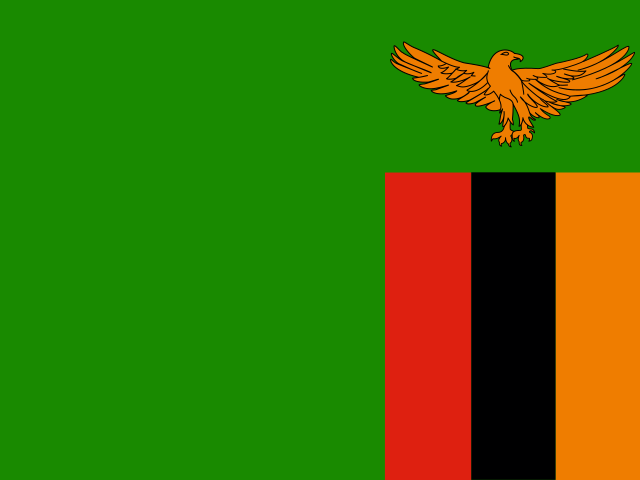
 Zambia
Why Zambia
Zambia offers some of Africa’s most authentic safari experiences, with large wilderness areas, fewer vehicles and a strong tradition of guiding on foot. Its geography is dominated by rivers and lakes, including the Zambezi, Luangwa and Kafue rivers and Lake Tanganyika.
Victoria Falls (Mosi-oa-Tunya)
Mosi-oa-Tunya, “the smoke that thunders”, is a UNESCO World Heritage Site shared with Zimbabwe. The falls are among the largest curtains of falling water in the world, and Livingstone on the Zambian side offers viewing points, a footbridge to the Knife-Edge, helicopter flights, white-water rafting and the Devil’s Pool, a natural rock pool at the lip of the falls in the low-water season. Water levels peak roughly between March and May and are lowest from about October to December, so the experience differs across the year. The Livingstone Museum has important collections on regional history.
South Luangwa and the Luangwa Valley
South Luangwa National Park is known for its density of wildlife, including leopards, hippos and the endemic Thornicroft’s giraffe, and for walking safaris, which were pioneered here. Night drives are permitted, unlike in many other countries’ parks. The park is best from May to October, and roads can be impassable in the rainy season, when many camps close.
Lower Zambezi, Kafue and beyond
Lower Zambezi National Park lies opposite Zimbabwe’s Mana Pools and offers canoe safaris. Kafue National Park is one of the largest in Africa, with varied habitats and fewer visitors. In the north, the Kasanka National Park hosts a mass migration of straw-coloured fruit bats, usually from around October to December. Lake Tanganyika, Lake Bangweulu and Kalambo Falls offer other options for adventurous travellers.
Culture
Zambia’s traditional ceremonies are an important part of cultural life, including the Kuomboka of the Lozi people in the Western Province, which marks the annual move of the Litunga from the flooded plain, and the Umutomboko of the Lunda. Check dates locally, as they depend on water levels and tradition.
When to go and getting there
The dry season runs from about May to October. Harry Mwanga Nkumbula International Airport in Livingstone and Kenneth Kaunda International Airport in Lusaka are the main gateways. Zambia’s visa rules differ by nationality, and the government has made changes in recent years, including special arrangements for some regional travellers. Check the official Department of Immigration for current rules.
Travelling responsibly
Use licensed operators and guides, respect the rules for walking safaris, and consider lodges that invest in community schools and anti-poaching programmes.
Official sources
- Zambia Tourism Agency
- Department of Immigration, Zambia
- UNESCO World Heritage Centre: Zambia
- Mosi-oa-Tunya / Victoria Falls, UNESCO
- Livingstone Museum (National Museums Board of Zambia)