
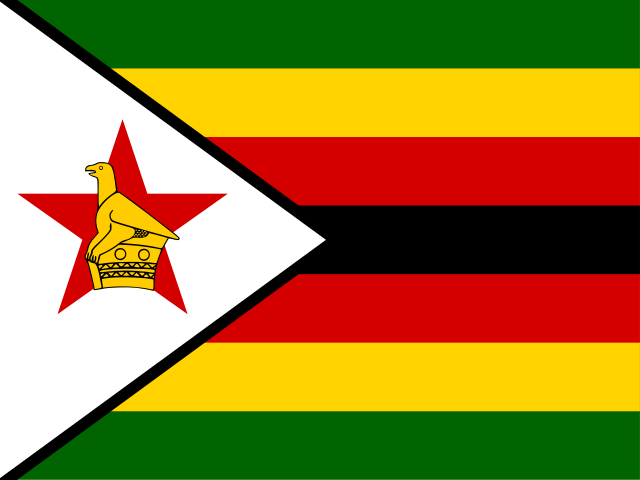
 Zimbabwe
Why Zimbabwe
Zimbabwe combines world-class wildlife, extraordinary archaeology and one of the planet’s natural wonders. Tourism has remained an important sector through difficult economic times, and the country has experienced and well-trained guides.
Victoria Falls
Victoria Falls, on the Zambezi River at the border with Zambia, is a UNESCO World Heritage Site. On the Zimbabwean side visitors can walk along a path facing the falls, which are widest and most voluminous roughly from February to May. The town of Victoria Falls offers rafting, helicopter flights, the Victoria Falls Bridge and wildlife safaris nearby. Check water levels, as the falls can be spectacularly misty in the high season and less full from October to December.
Wildlife
Hwange National Park, the country’s largest, is one of Africa’s great elephant strongholds, with large herds concentrating at waterholes in the dry season. Mana Pools National Park on the Zambezi is a UNESCO World Heritage Site (together with the Sapi and Chewore safari areas) and one of the few places where visitors can walk unguided among wildlife in some areas under strict rules; guided walks are recommended. Lake Kariba, among the largest man-made lakes in the world, offers houseboats and fishing. Matobo National Park has a high density of leopards and white and black rhinos.
Heritage
Great Zimbabwe, a UNESCO World Heritage Site, is the largest group of ancient stone ruins in sub-Saharan Africa, built mainly between about the eleventh and fifteenth centuries, and gave the country its name. The Khami Ruins near Bulawayo are another World Heritage Site. The Matobo Hills, also a World Heritage Site, have granite landscapes, rock paintings and the grave of Cecil Rhodes at World’s View, as well as sites of spiritual significance to local communities. See our History & Heritage page.
Eastern Highlands
Near the border with Mozambique, the Eastern Highlands, including Nyanga, Chimanimani and Vumba, offer cooler weather, hiking, waterfalls and tea estates.
When to go and getting there
The dry season from May to October is best for game viewing. Harare International and Victoria Falls Airport are the main gateways, and many visitors cross from Zambia or Botswana. Visa rules differ by nationality. Because the economic and currency situation has changed repeatedly, check official sources and your travel provider for cash, card and payment arrangements before you travel.
Travelling responsibly
Use licensed operators, follow guidance on walking in parks, and treat sacred heritage sites with respect. Visit Great Zimbabwe and Khami with a local guide where possible.